Historical signal field
7-day editorial trend
A visual dashboard for reading how conflict, climate pressure, resources, human strain, technology, and resilience move across the archive.
7-day editorial trend
Open tension, violence, security pressure, and political rupture.
Environmental stress, climate disruption, and ecological exposure.
Cost pressure, market stress, supply chains, and household exposure.
Energy, extraction, climate, and material pressure.
Social strain, instability, and weak resilience.
Conflict and economic fragility moving together.
Signal intensity by day
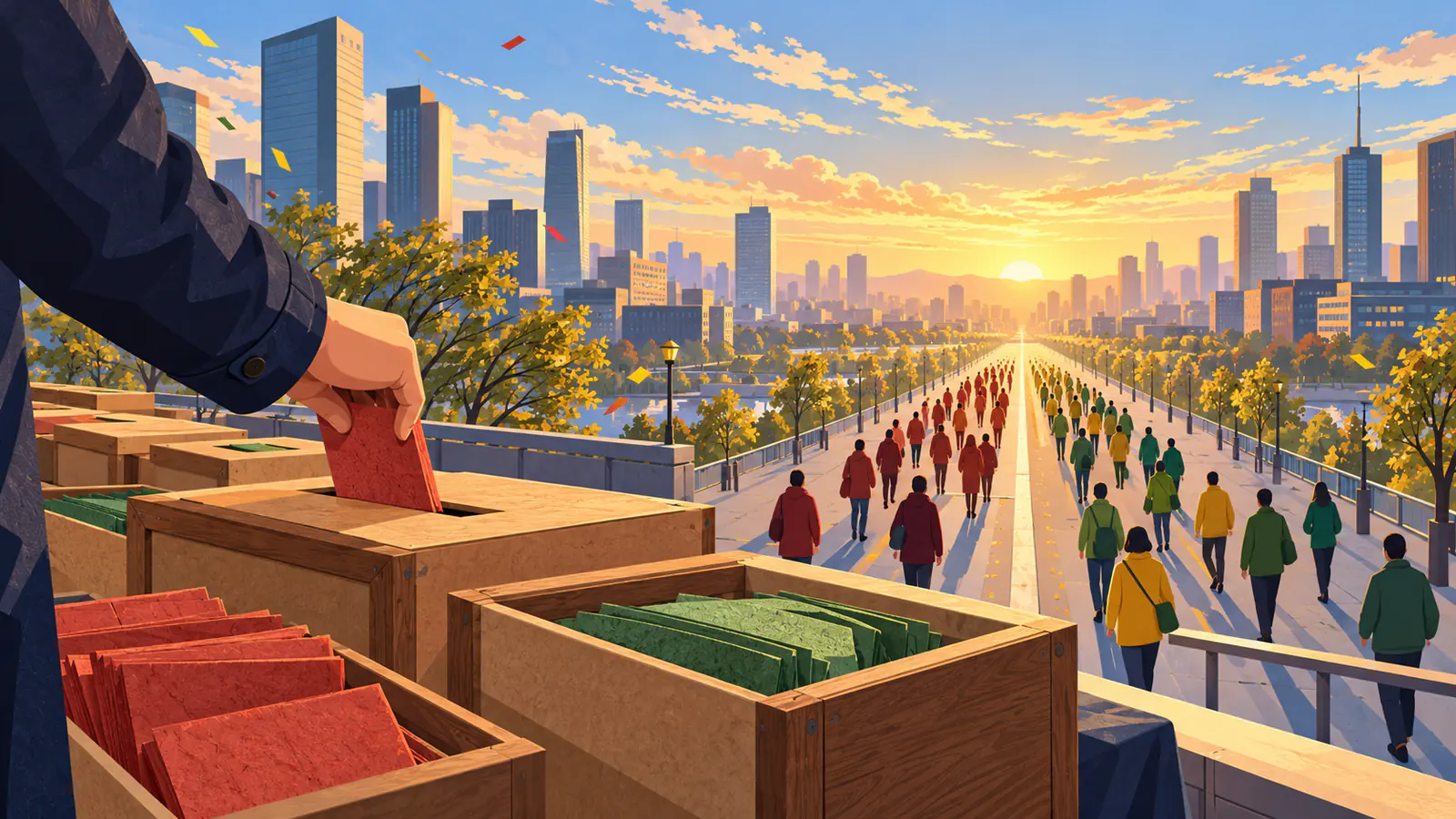
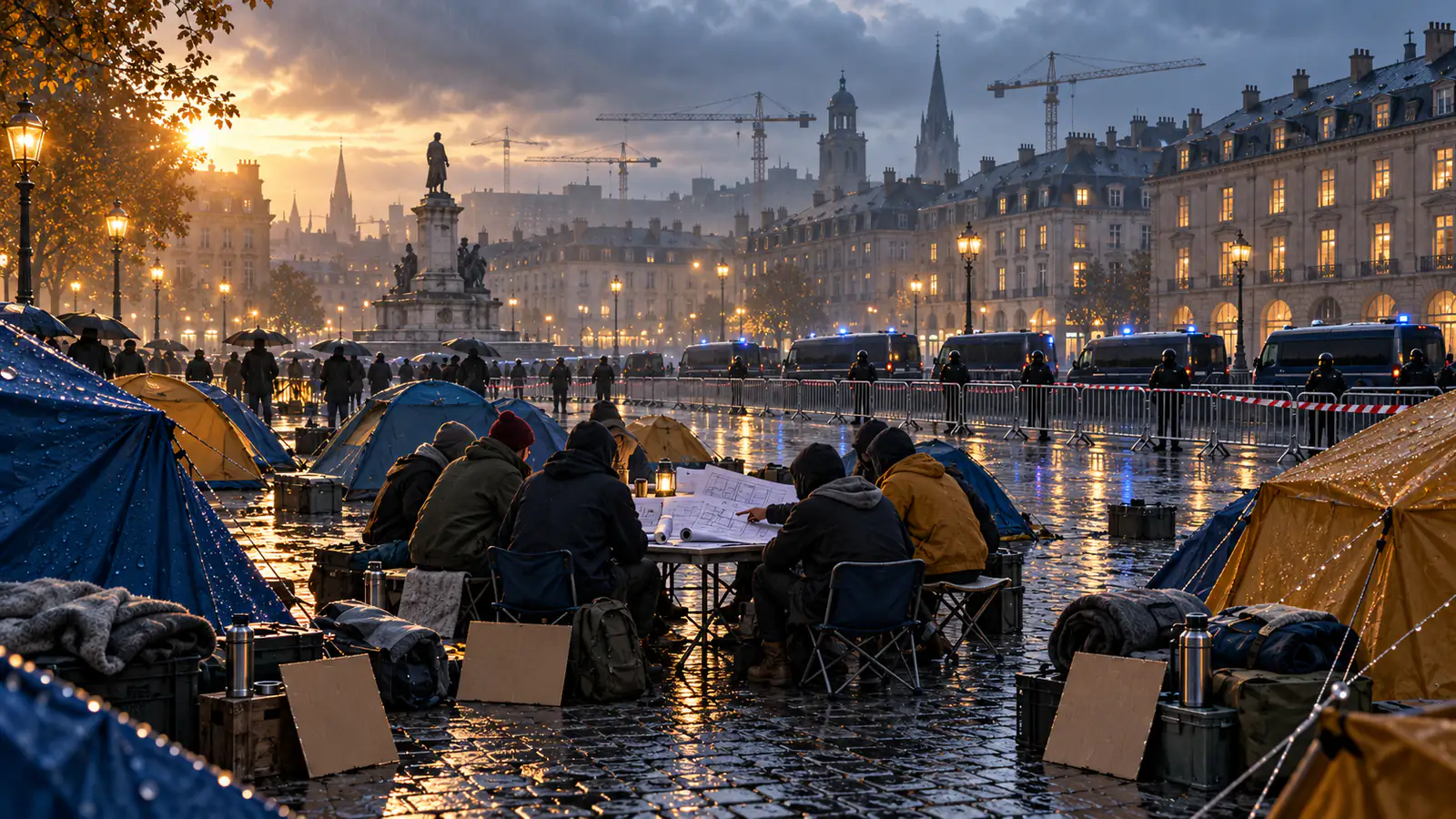
The day’s world-state is defined by political repositioning, high-stakes diplomacy, and institutions testing public trust. In Beijing, a Trump-Xi summit opens under heavy security with trade, AI, pollution visibility, and the war in Iran shaping the strategic agenda between the United States and China. In Australia, Labor gains Senate ground through Tammy Tyrrell’s defection but remains short of a majority, while a federal court ruling against Coles over misleading discount claims sharpens attention on cost-of-living pressure and corporate accountability. Cultural and social fault lines remain visible, from testimony at an antisemitism inquiry to a public apology after reported antisemitic and anti-gay remarks in Washington, while New Zealand’s Ockham awards offer a quieter counterpoint through recognition of fiction centered on gender, politics, and generational life.
AI-generated content. No prior human review.
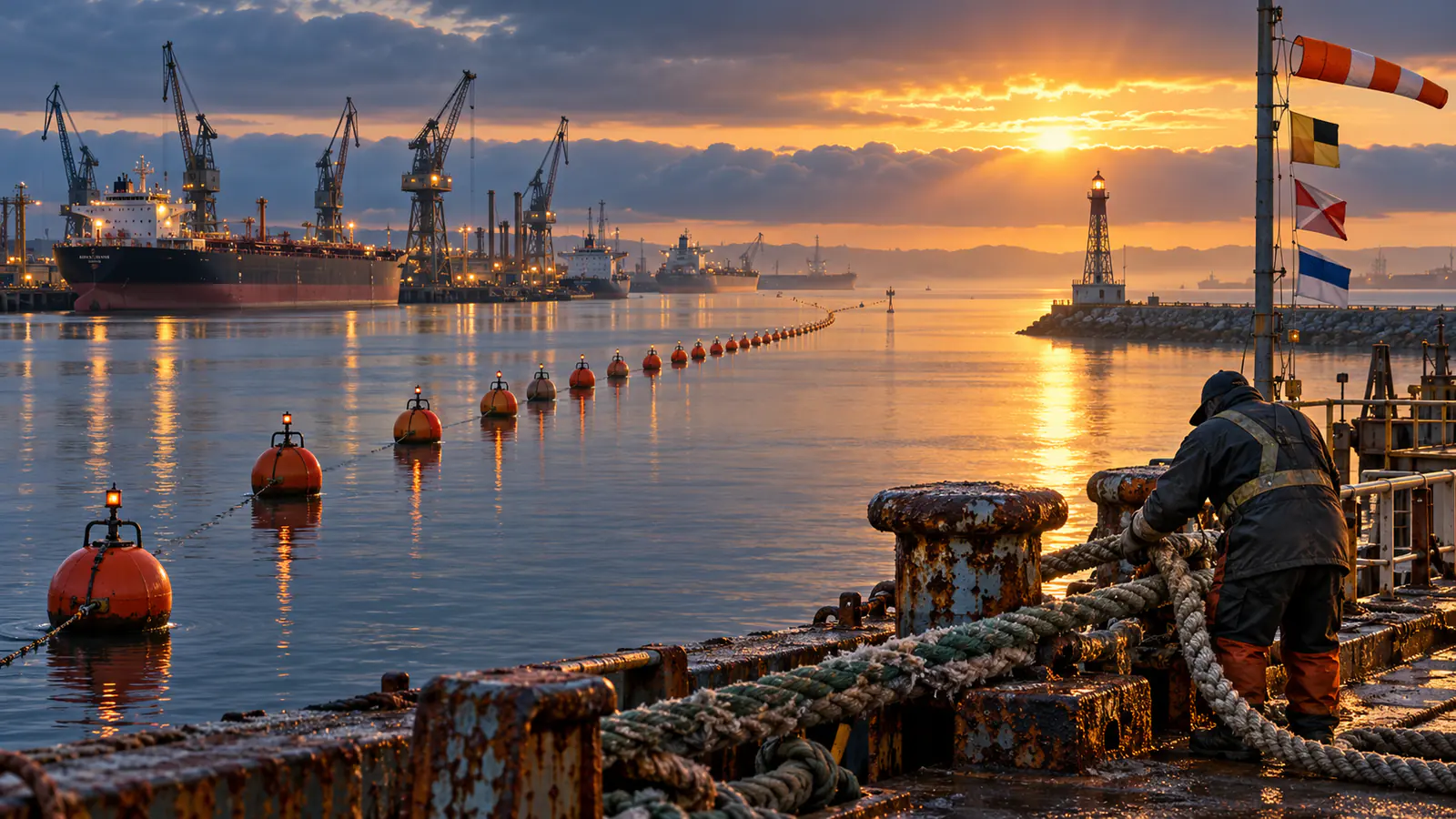
The day’s signals cluster around governments trying to redraw the boundaries of protection, taxation, and public responsibility under pressure. In Australia, the 2026 budget has opened a sharp fight over housing tax settings, with Labor defending changes to negative gearing and capital gains tax as a fairness measure while the opposition pledges repeal and parts of the media frame the package in highly ideological terms. Canberra is also preparing to contribute an E-7A Wedgetail surveillance aircraft to a multinational effort aimed at reopening the Strait of Hormuz, linking domestic cost-of-living concerns to wider energy and trade vulnerabilities. Alongside those headline pressures, an inquest into the death of Clare Nowland is revisiting police and care-sector responses to dementia, Northern Territory child protection reforms are drawing warnings from First Nations and legal advocates, and a proposed rollback of US toxic gas rules is renewing concern over the reach of public health regulation.
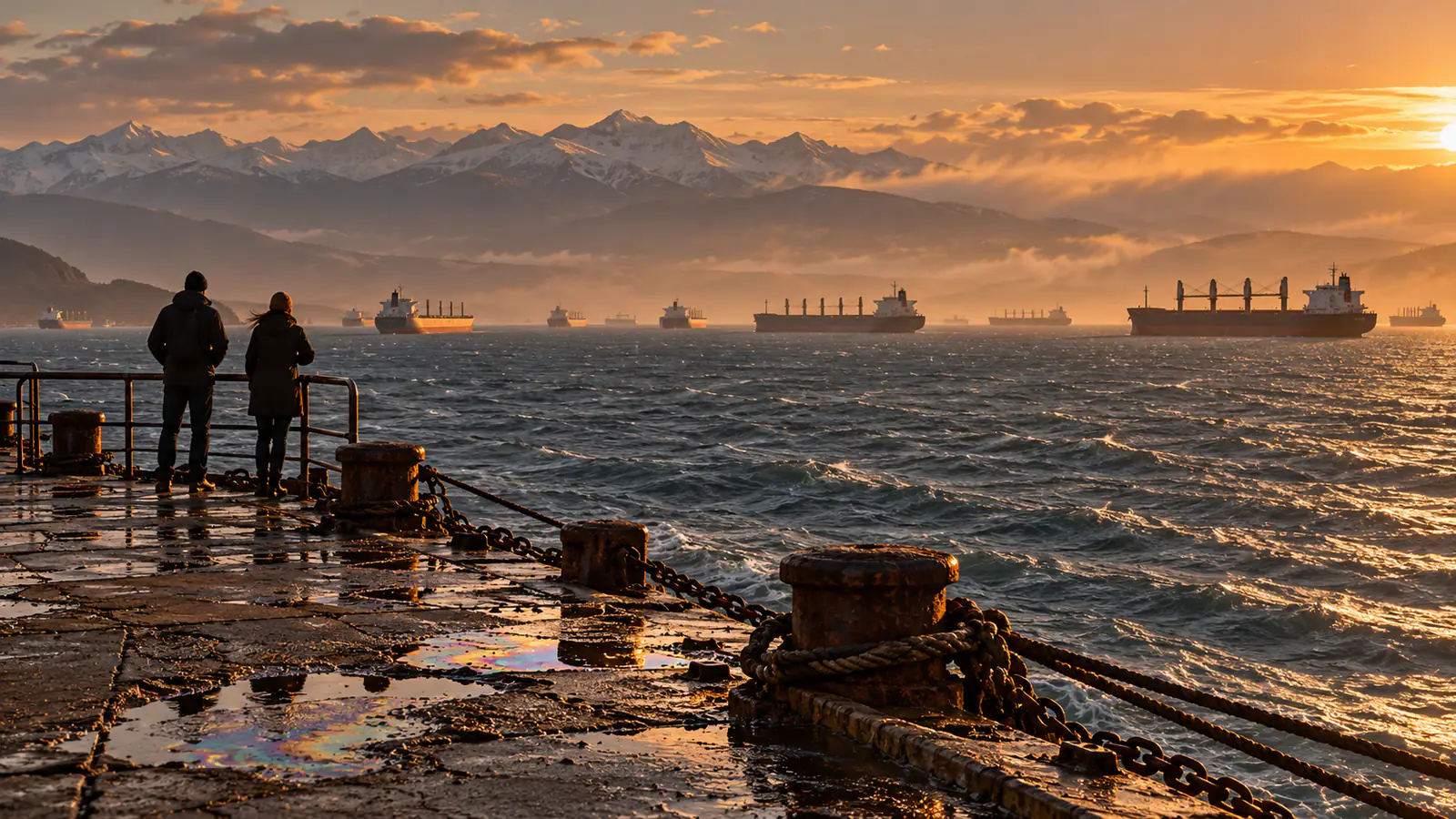
The day’s signals converge around pressure on governing systems: Australia’s 2026 budget is being framed through housing affordability, tax design, and concern over voters drifting toward populist alternatives; in the UK, political commentary continues to question whether the two-party model can absorb public frustration with Keir Starmer’s leadership; and in the Middle East, fraying ceasefire dynamics around Iran, regional diplomacy, and the Strait of Hormuz carry wider implications for energy, fertiliser flows, and food security. In the United States, legal and institutional stories added a different register, from Virginia Democrats asking the Supreme Court to restore a voter-approved congressional map to the resignation of a California mayor charged with acting as an illegal foreign agent of China.
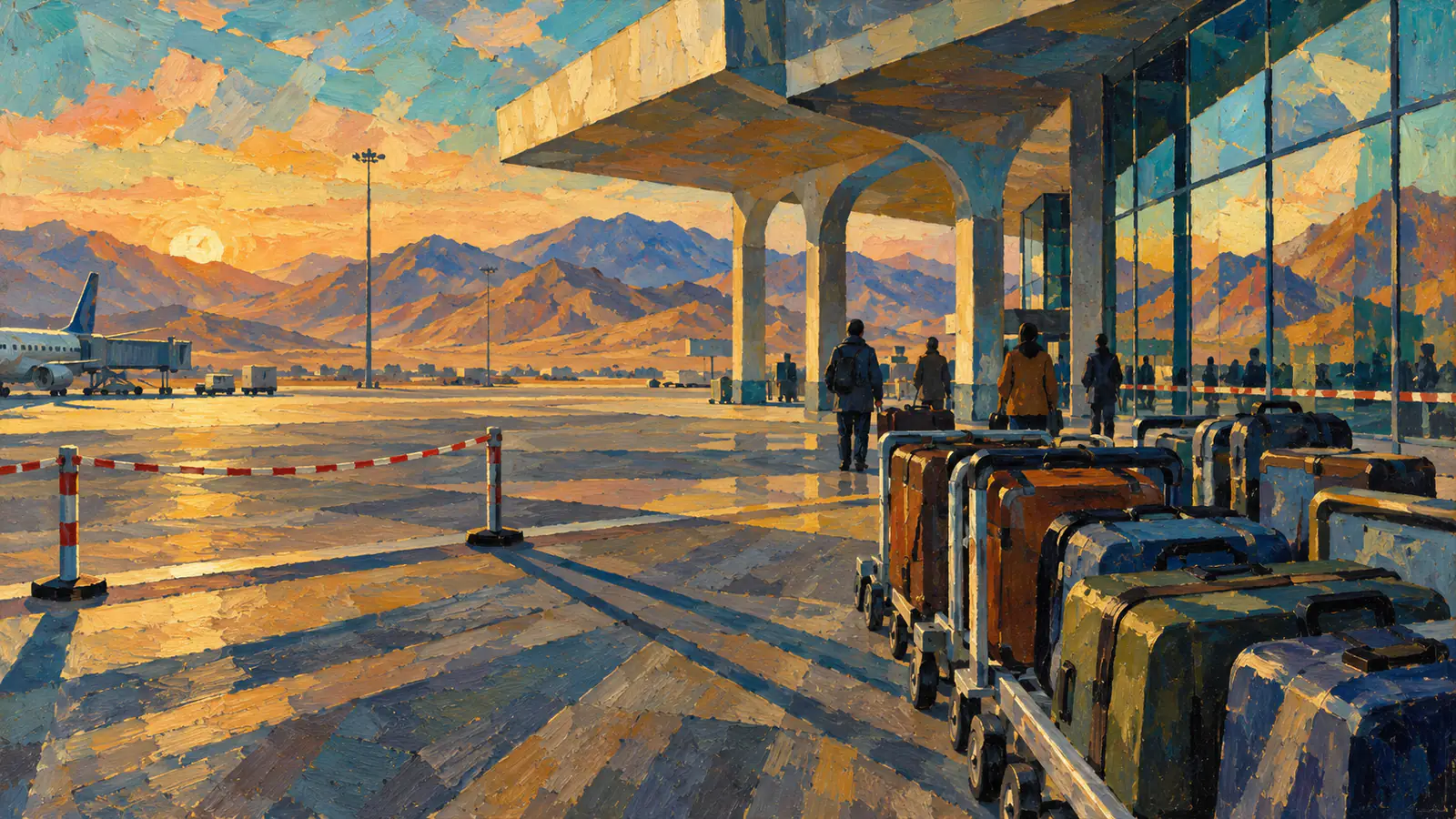
The day’s signals cluster around institutions under pressure: Australian politics is absorbing a sharp electoral warning as Labor leaders confront voter movement toward One Nation amid cost-of-living and housing anxiety; public-health systems in the US and Australia are coordinating quarantine and specialist assessment for passengers from the hantavirus-affected MV Hondius; and European legal politics remain unsettled as former Polish justice minister Zbigniew Ziobro, who denies criminal allegations at home, says he has travelled from Hungary to the United States. Alongside these headline threads, questions of media power, court process, privacy, and mental health surface in Australia, while a public account of family bereavement from Martin Short adds a cultural note of grief and vulnerability.
The day’s strongest signal is one of pressure accumulating inside political and civic institutions rather than breaking into a single global rupture. In the UK, Keir Starmer faces an openly destabilizing leadership challenge after poor local election results, with Labour MPs testing whether the prime minister can still command authority and possible successors moving into view. Outside Downing Street, thousands rallied against rising antisemitism, underlining how public anxiety over hate crime and social cohesion is now feeding directly into national politics. Elsewhere, continuing reports of Russian strikes in Ukraine despite a declared ceasefire keep Europe’s security environment tense, while the evacuation of passengers from a hantavirus-hit cruise ship in Tenerife adds a public-health note to the region’s news cycle. Beyond the headline politics, stories of housing insecurity, corporate surveillance, and strained care systems point to a wider atmosphere in which trust, protection, and accountability are all under scrutiny.
This is not only a latest-edition product. It is a cumulative editorial record that lets readers revisit what the world felt like on a specific day and compare that feeling across time.
The World Canvas for 2026-05-01
The World Canvas for 2026-05-02
The World Canvas for 2026-05-03
The World Canvas for 2026-05-04
The World Canvas for 2026-05-05
The World Canvas for 2026-05-06
The World Canvas for 2026-05-07
The World Canvas for 2026-05-08
The World Canvas for 2026-05-09
The World Canvas for 2026-05-10
The World Canvas for 2026-05-11
The World Canvas for 2026-05-12
The World Canvas for 2026-05-13
The World Canvas for 2026-05-14
Archive slot
Archive slot
Archive slot
Archive slot
Archive slot
Archive slot
Archive slot
Archive slot
Archive slot
Archive slot
Archive slot
Archive slot
Archive slot
Archive slot
Archive slot
Archive slot
Archive slot